
Realism in ATS: Tips for Creating an Authentic Experience


Realism in aviation training simulators (ATS) is essential for creating an authentic experience that effectively prepares pilots for real-world scenarios. With advancements in technology, simulators have become more sophisticated, but it's crucial to focus on specific elements that enhance realism.
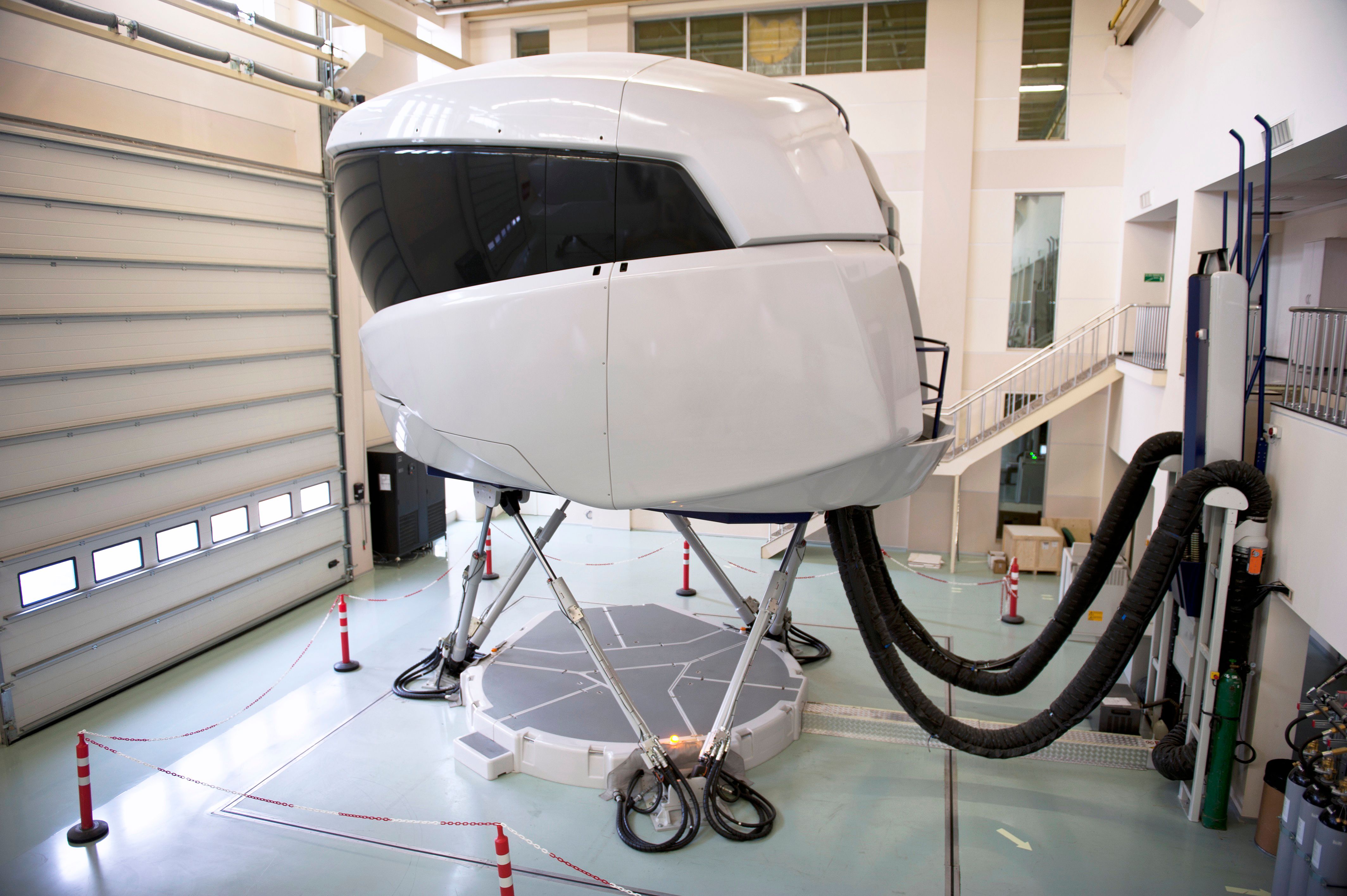
Understanding the Importance of Realism
Realism in simulators ensures that pilots can transfer their skills seamlessly from training to actual flight. The more true-to-life the simulation, the better equipped pilots are to handle unexpected situations. This authenticity helps in building confidence and competence.
Key Elements of Realism
To achieve a high level of realism, simulators must incorporate several critical elements. These include accurate flight dynamics, realistic weather conditions, and detailed cockpit replicas. Each of these components plays a vital role in simulating real-life conditions.
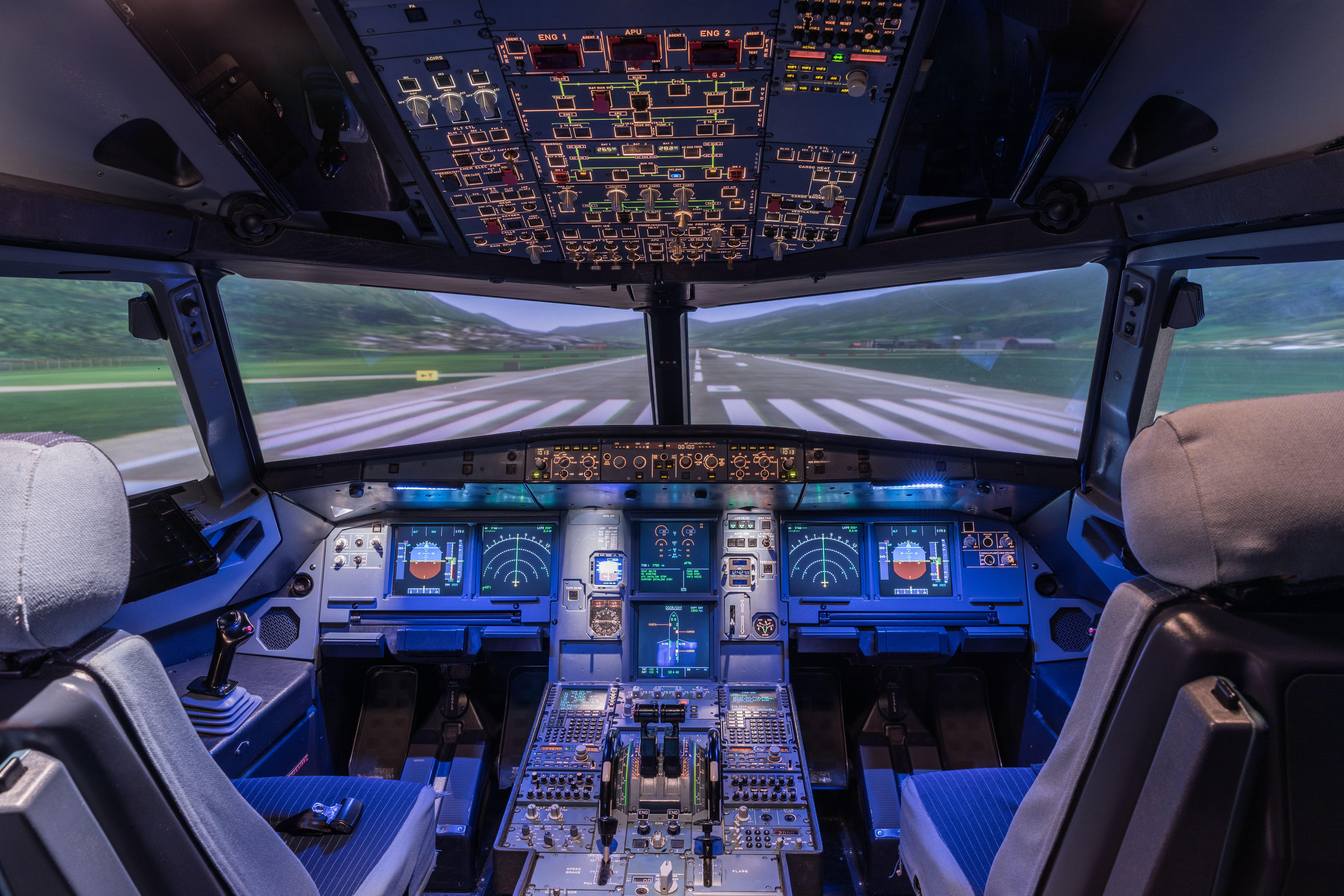
Flight dynamics refer to the simulator's ability to mimic the aircraft's behavior accurately. This includes how the aircraft responds to controls, environmental factors, and other variables. Realistic flight dynamics are a fundamental aspect of effective training.
Incorporating Realistic Weather Conditions
Weather plays a significant role in flight operations. Simulators should include diverse weather scenarios, such as thunderstorms, turbulence, and crosswinds, to prepare pilots for adverse conditions. This feature helps pilots develop critical decision-making skills under pressure.
Visual and Auditory Cues
Visual and auditory cues are crucial for enhancing realism. High-quality graphics and sound systems can recreate the sensation of flight more convincingly. Simulators should provide immersive visuals and accurate sound effects to create a believable environment.

Utilizing Advanced Technology
With the integration of advanced technology, simulators are now capable of offering more realistic experiences. Technologies such as virtual reality (VR) and augmented reality (AR) can significantly enhance the training experience by providing a more immersive environment.
Feedback and Evaluation
Providing immediate feedback and evaluation is essential for effective training. Simulators should include systems that track performance and offer detailed analysis. This feature allows pilots to learn from their mistakes and improve their skills efficiently.

In conclusion, achieving realism in aviation training simulators involves a combination of accurate flight dynamics, realistic weather conditions, and advanced technology. These elements work together to create an authentic experience that prepares pilots for the challenges of real-world flight.